Content create by-Kumar Ramirez
This procedure eliminates the eye's all-natural lens and changes it with a fabricated intraocular lens, or IOL. RLE is especially valuable for people over 40 who have troubles with presbyopia and cataracts. The resilient artificial lenses implanted in RLE don't age, so they can keep you seeing plainly for several years to come.
What is RLE?
Refractive Lens Exchange After Lasik (RLE) is a vision adjustment treatment for people with high refractive errors. It is also used to treat presbyopia, which is the all-natural tendency for our eyes to shed their capacity to focus at ranges.
RLE can be a wonderful choice for people who have formerly attempted LASIK however had bad outcomes. Normally, people that more than 45 and have problem reading without glasses are great candidates for RLE.
The procedure fasts, and also most people notice renovation in their vision promptly after surgical procedure. Nevertheless, it can take some time for the eye to heal totally and for the vision to maintain.
The major benefit of RLE is that it offers a more steady vision result than LASIK, which may weaken with time as the corneal thickness adjustments. This can trigger issues like completely dry eye, flap problems as well as vision loss.
Exactly How Does RLE Job?
RLE is a procedure that replaces your natural lens with an artificial intraocular lens (IOL). Recommended Website are similar to the lenses that you get after LASIK and various other modern-day eye surgical treatment treatments.
The IOLs proper improper light refraction as well as boost your sight. They are an irreversible option for certain eye conditions such as hyperopia (farsightedness), nearsightedness (nearsightedness), as well as astigmatism.
If you have a refractive error that makes it impossible for various other corrective surgical treatments to fix, then RLE may be the only alternative available to you. This is especially real if you have presbyopia or suffer from extreme farsightedness (hyperopia) as well as are not a prospect for LASIK or other vision improvement surgical treatments.
In the same way that cataracts can be avoided by performing cataract surgical procedure prior to they develop, RLE can avoid you from needing to undertake a corneal transplant as well as lens substitute surgical treatments later on in life. The risk of retinal detachment is likewise substantially decreased in this situation.
Is RLE Much Safer than LASIK?
While LASIK continues to be the most usual vision correction procedure in the USA, RLE can be an alternative for individuals who do not receive LASIK because of age or other health and wellness problems. It's a safe, trustworthy surgical treatment with strong client satisfaction and also quick recuperation times.
RLE is a refractive lens replacement, which means that the eye's natural lens is removed as well as changed with a fabricated intraocular lens (IOL). Contact can be monofocal, multifocal, or accommodating.
Multifocal lenses permit you to see at three unique ranges while suiting lenses change in the eye as your eyes transform focus. https://writeablog.net/houston11janna/cataract-surgery-is-a-risk-free-effective-way-to-remove-the-cloudy-lens-of of lenses can aid you overcome presbyopia as well as improve your nearsightedness as well as distance vision, making them a superb selection for patients who want a long-term option.
As with LASIK, RLE is an elective surgery that is usually not covered by insurance. Nonetheless, many facilities supply funding choices so you can afford the treatment as well as obtain the high quality vision you desire.
Is RLE A Lot More Inexpensive than LASIK?
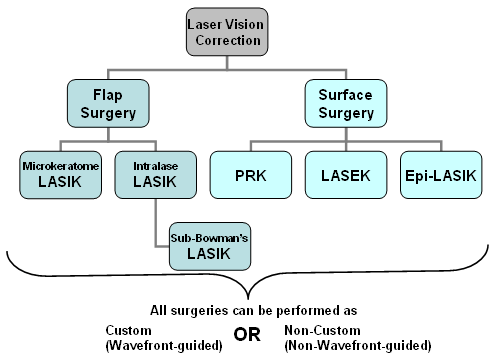
LASIK is a prominent eye surgical treatment that utilizes lasers to correct refractive errors such as nearsightedness, farsightedness or astigmatism. Nonetheless, it's not the only treatment that can remedy vision problems.
RLE, or Refractive Lens Exchange, is an additional common surgical procedure for vision modification. Unlike LASIK, which deals with the surface area of the eye, RLE changes the natural lens.
The best candidates for RLE are people over the age of 40. This is due to the fact that LASIK can not protect against eye problems like presbyopia or cataracts, which create as you get older and impact your vision.
Throughout a RLE treatment, the doctor gets rid of the patient's all-natural lenses and replaces them with intraocular implants (IOLs). The IOLs can be light-adjustable or fitting, so they can remedy many different visual issues.